A visual photographic archive of the Greenlandic landscape on the precipice of irrevocable political and climate change.
The vastness of Greenland is overwhelming, and can disguise literal and metaphorical undercurrents of change lying beneath the surface. These forces are twofold: drastic environmental shifts visible in the retreating ice, and recently, seismic geopolitical shifts underscored by the proposed “take over” of the country by Donald Trump.
Twice I have traveled to Greenland on grants from the American-Scandinavian Foundation to document this tension. These images serve as a “Before” archive—a record of a land (and a traditional way of life) that stands on the precipice of disappearance.
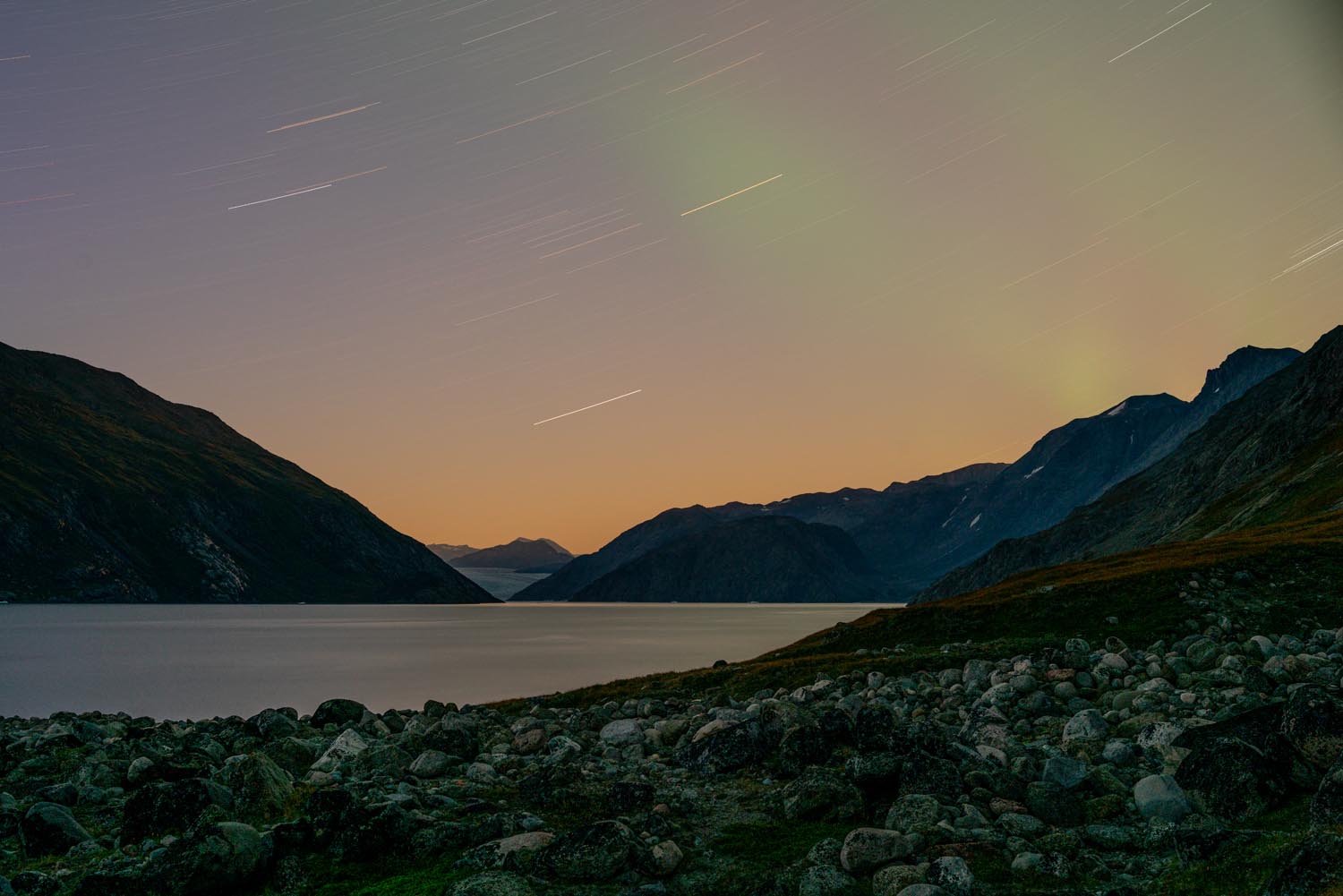
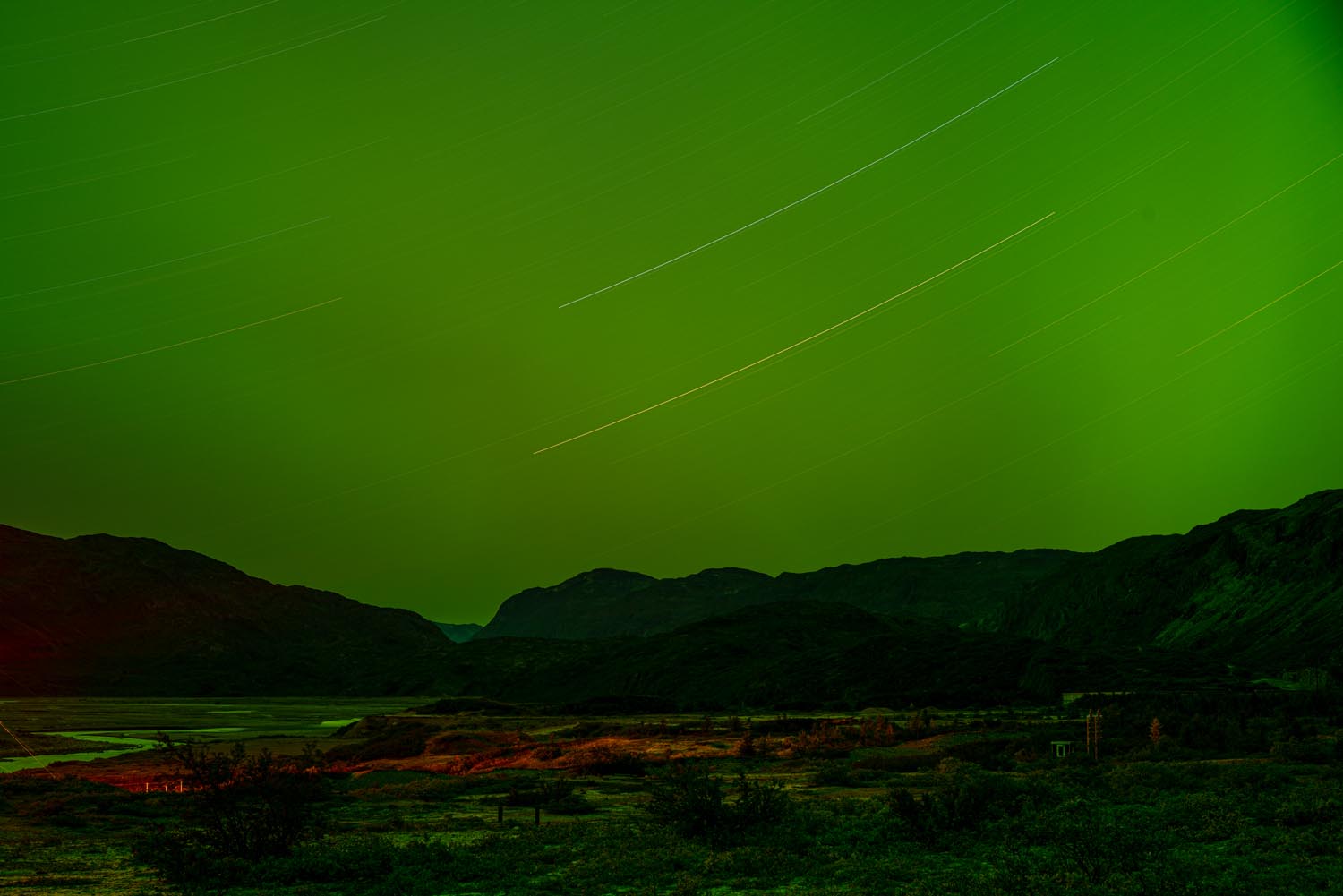
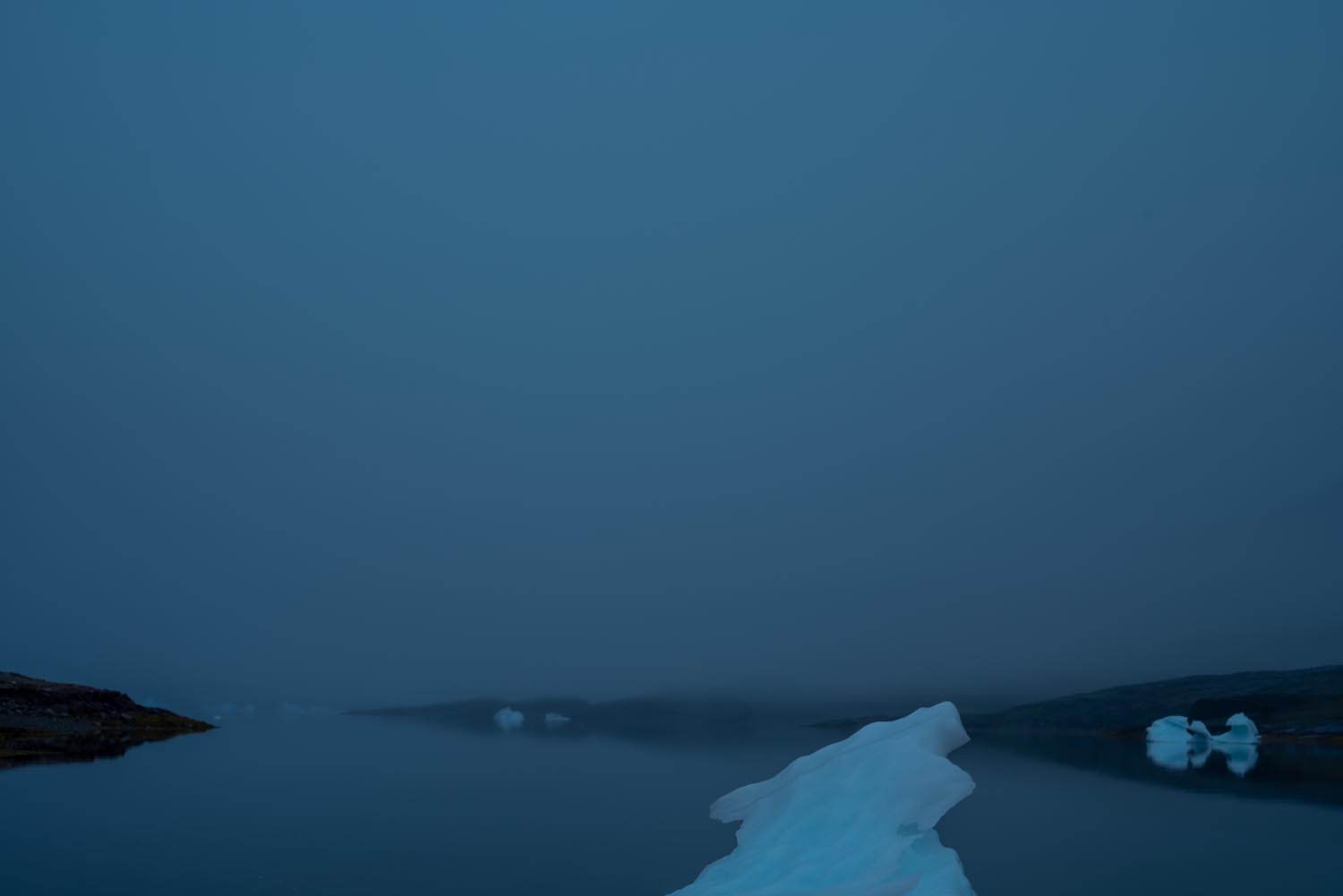
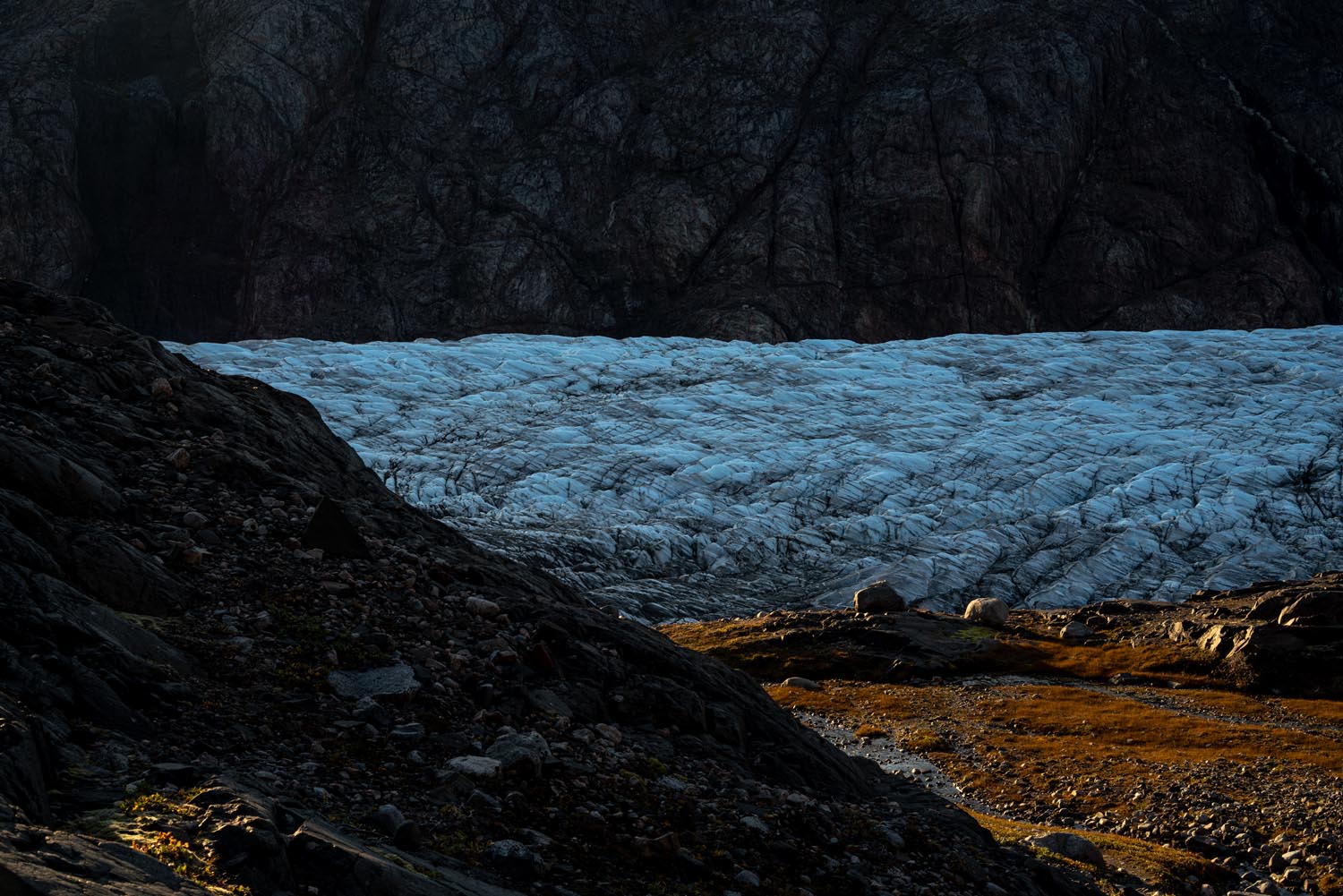
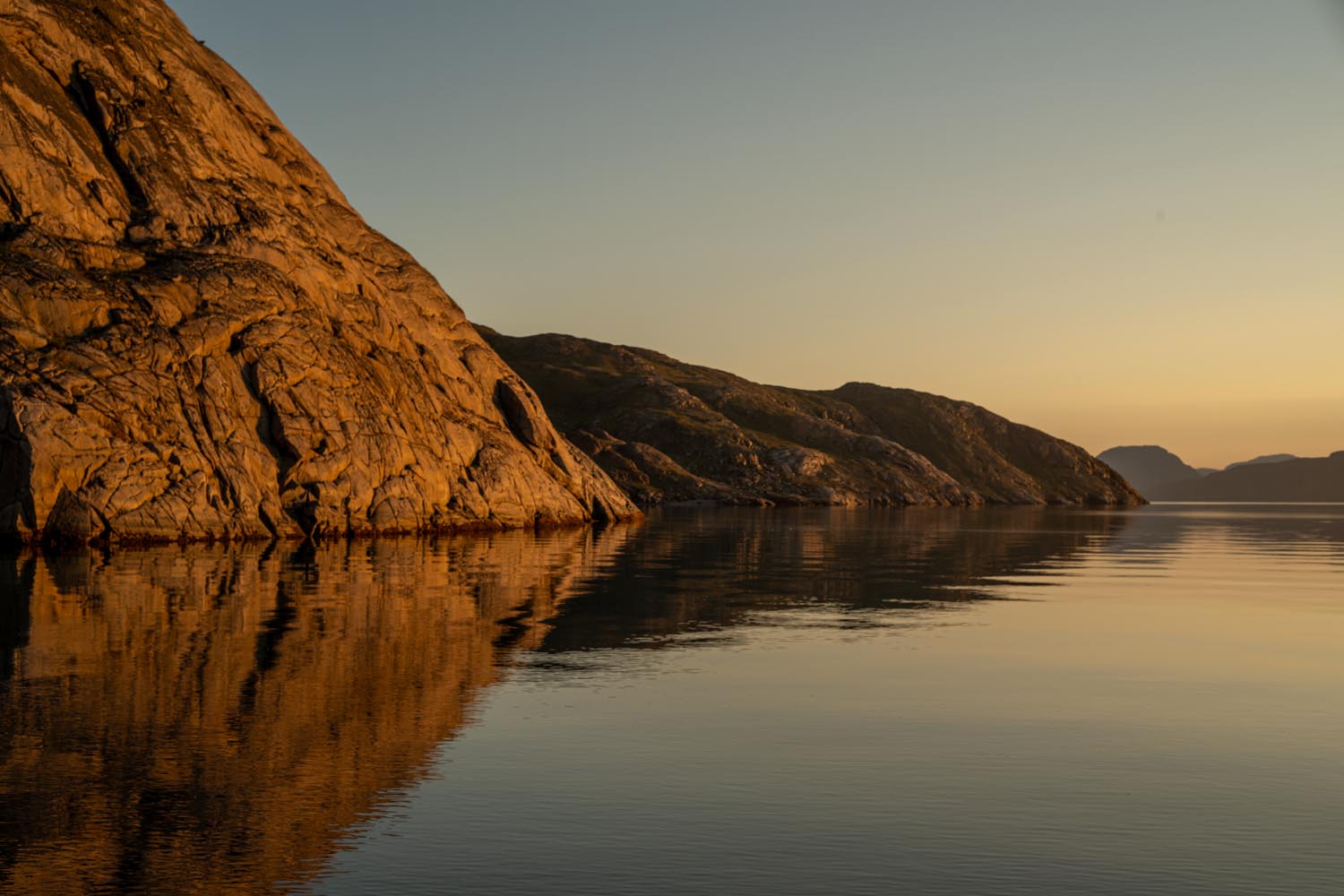
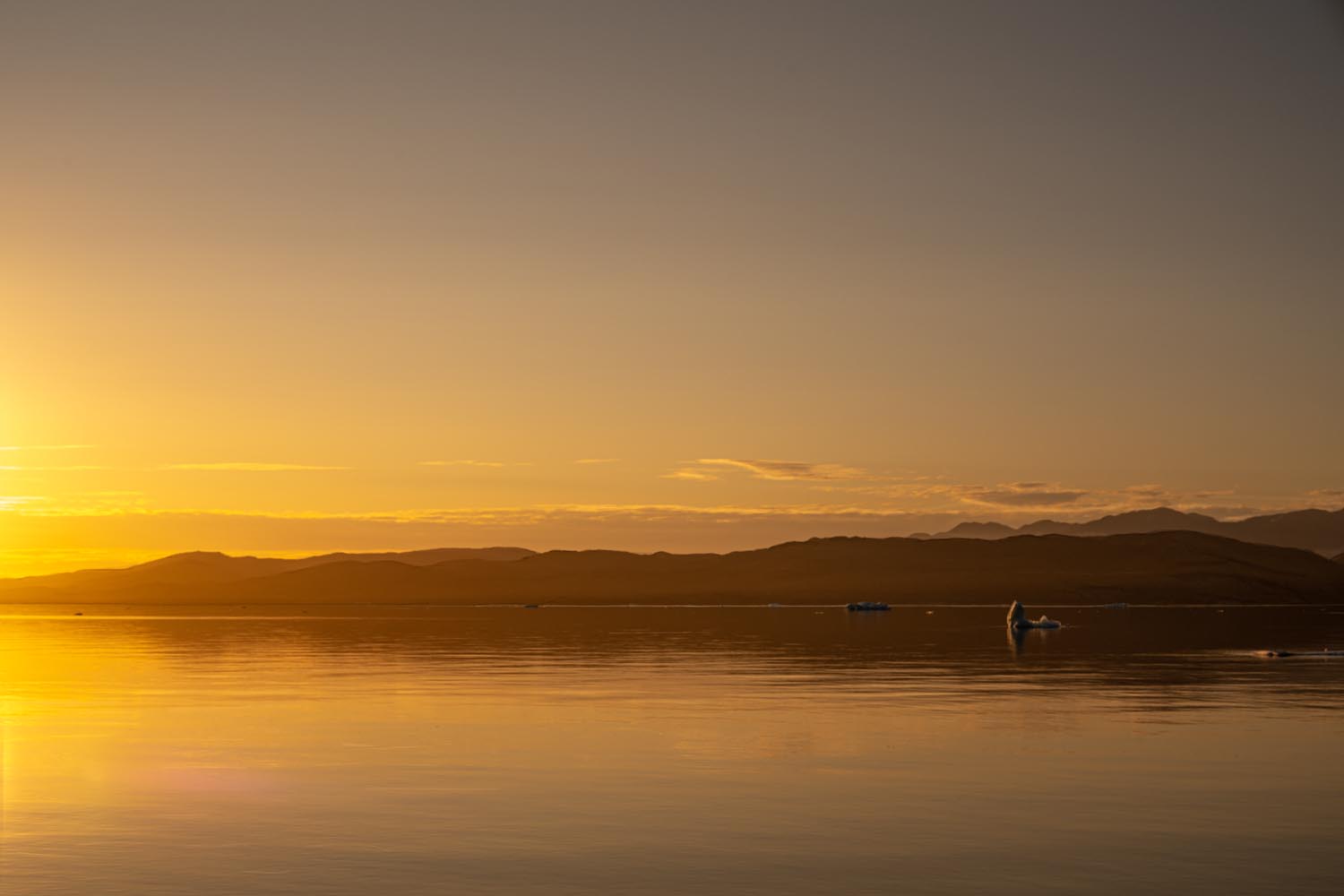
Light and ice define Greenland, whether at night with strange color casts illuminated by the aurora borealis or glow of human activity in the distance. This is some photos I made a few years ago.
The Hidden World (Method & Light)
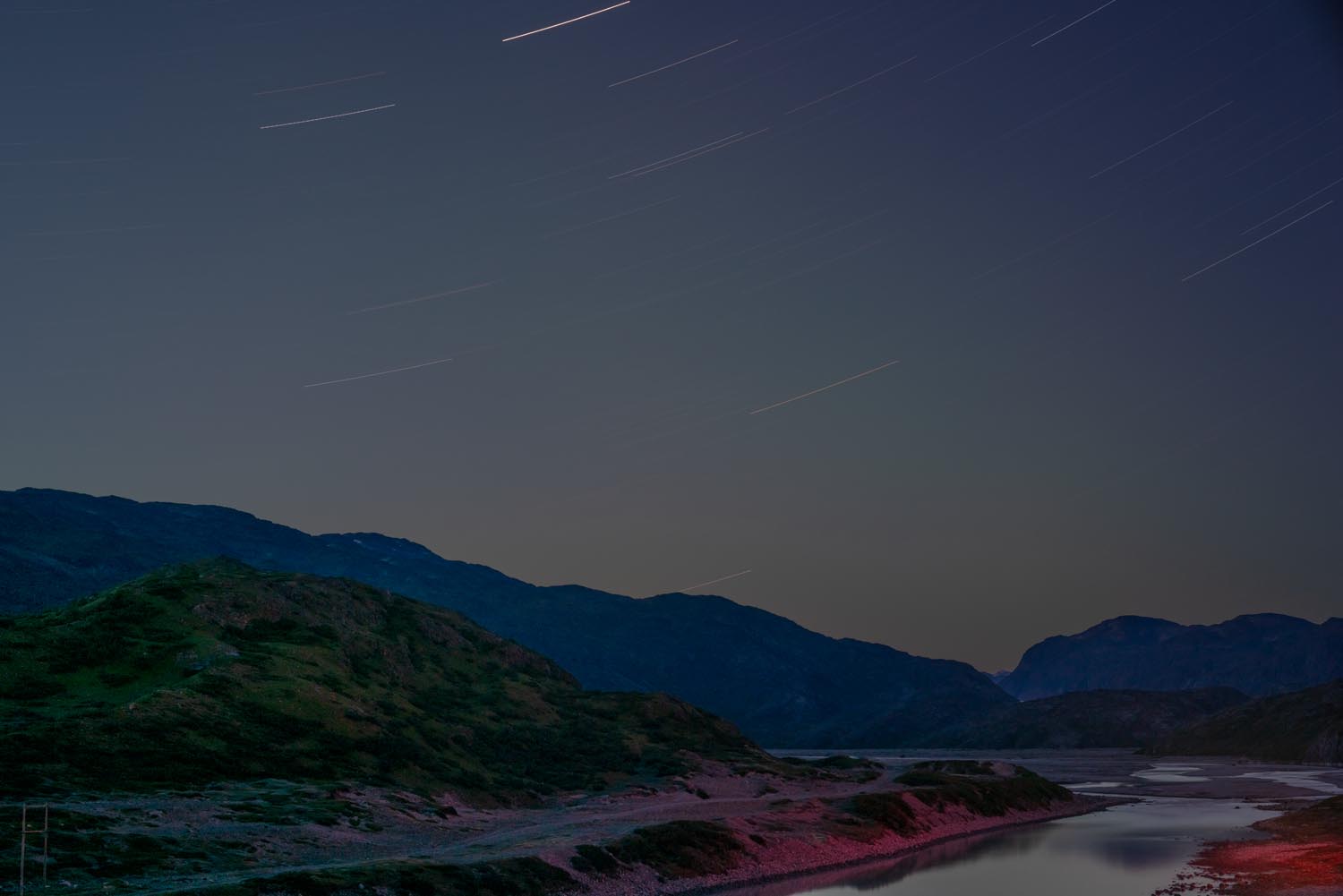
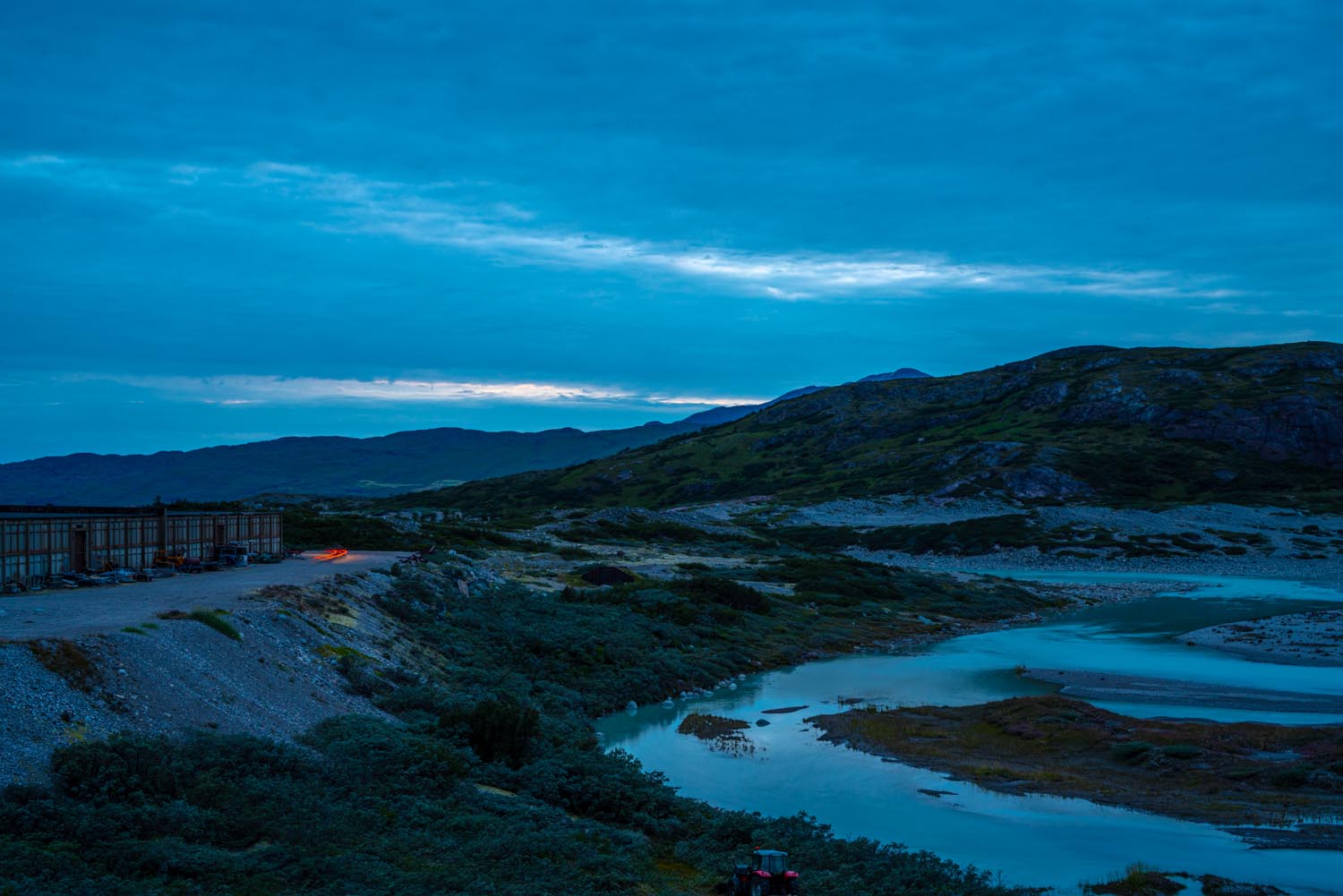
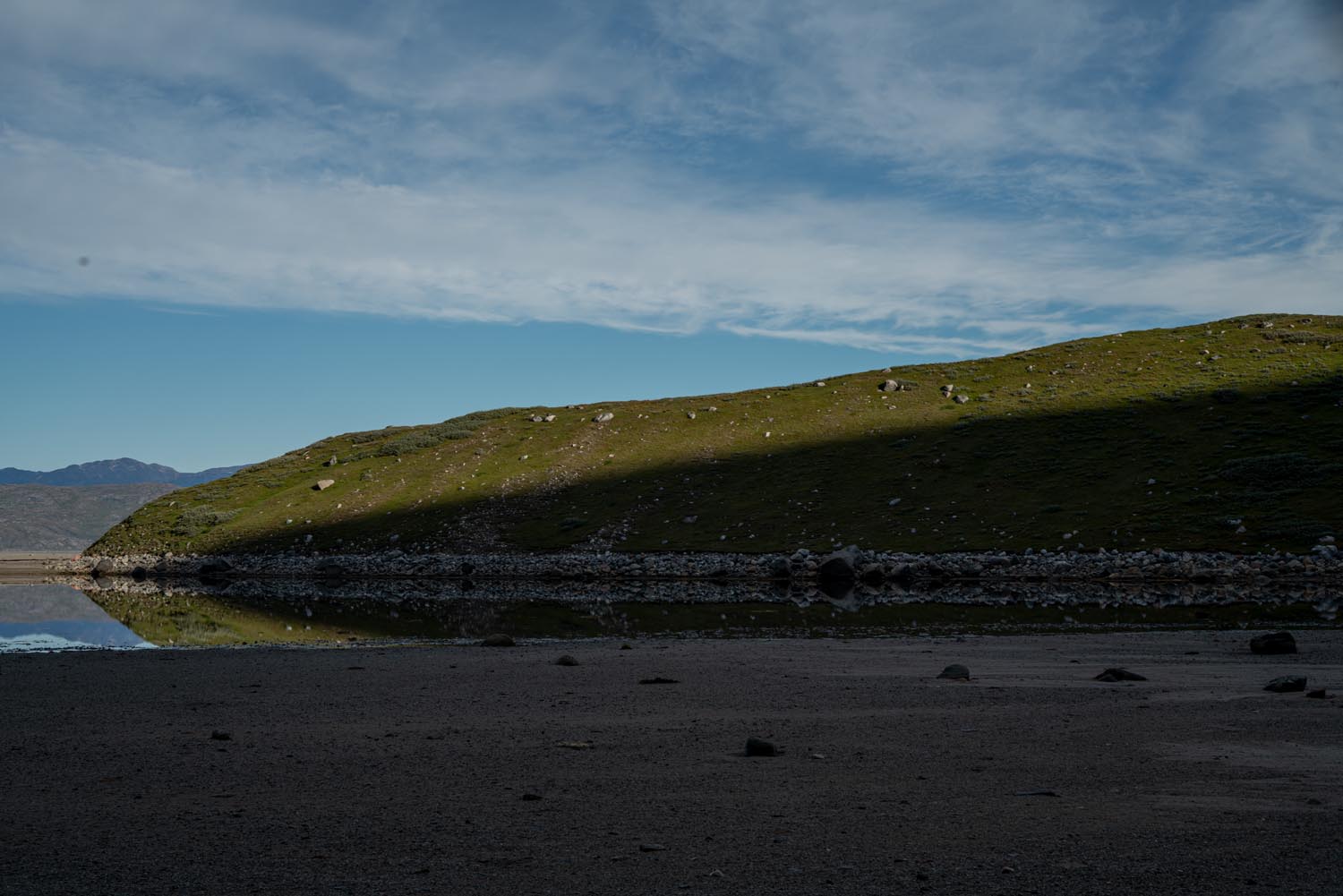
Many of these photographs were made with long exposures of two hours or more. Because of the darkness, it was impossible to see through the camera’s view finder so I stood beside the camera and framed it intuitively. Shooting “blind” introduces an element of uncertainty that mirrors the environment itself.
The Dead Glacier
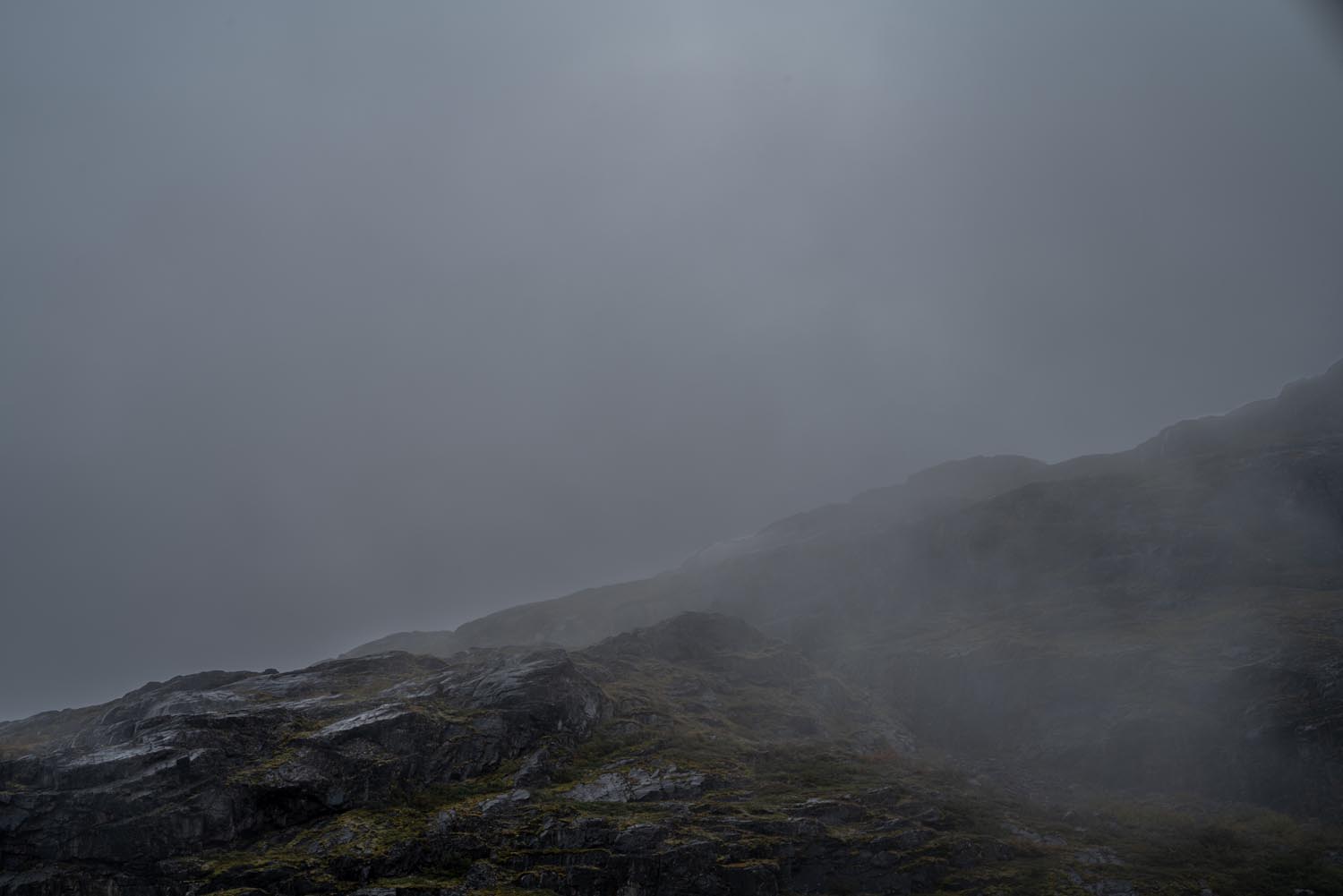
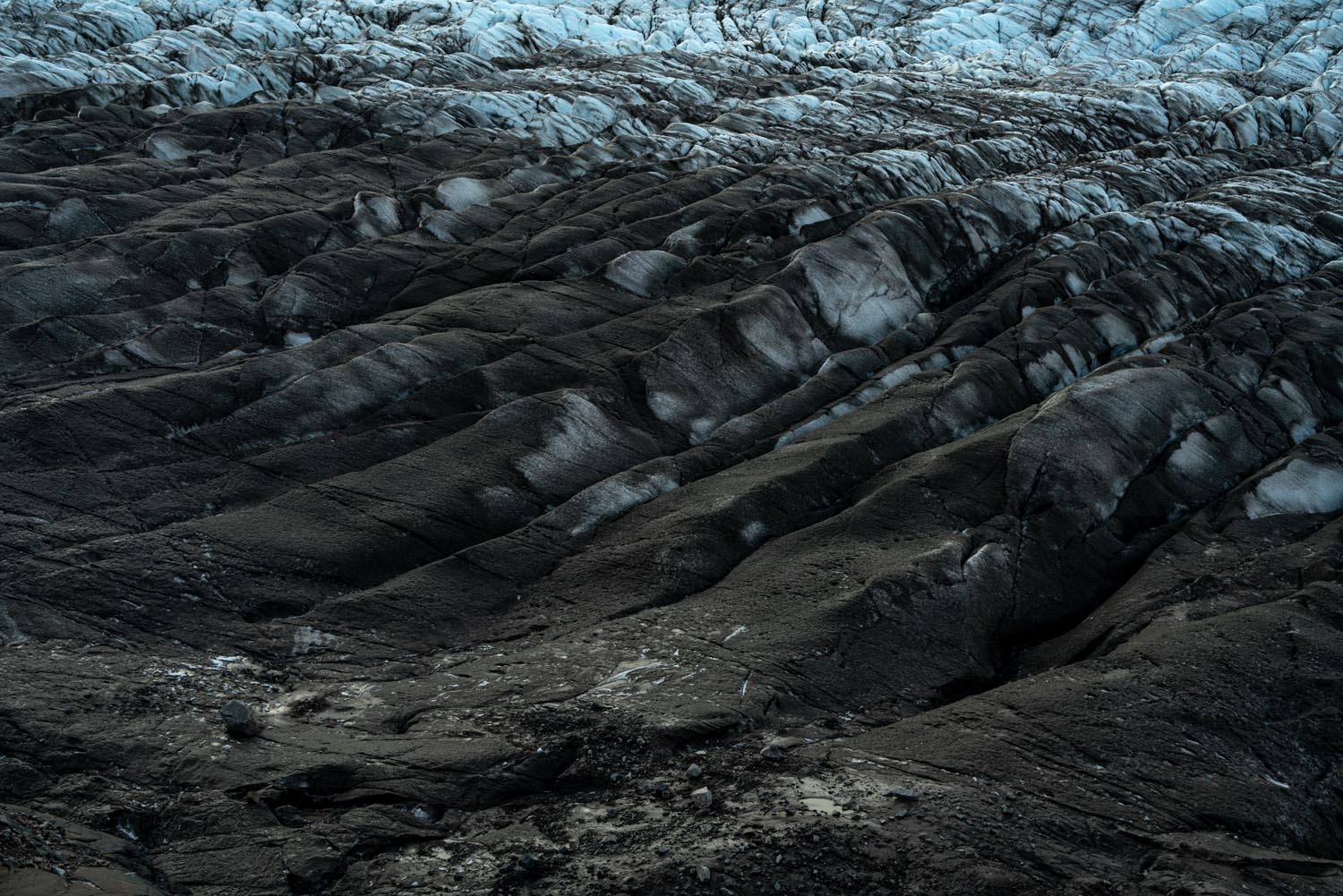
There are several glaciers in this region that are at the end of their cycle. Retreating rapidly due to climate change, they appear weathered, gray, and filled with rocks churning up from the earth below. This is the “dead glacier”, or ice that is no longer a monument, but a chaotic mix of churned up rocks and sand.
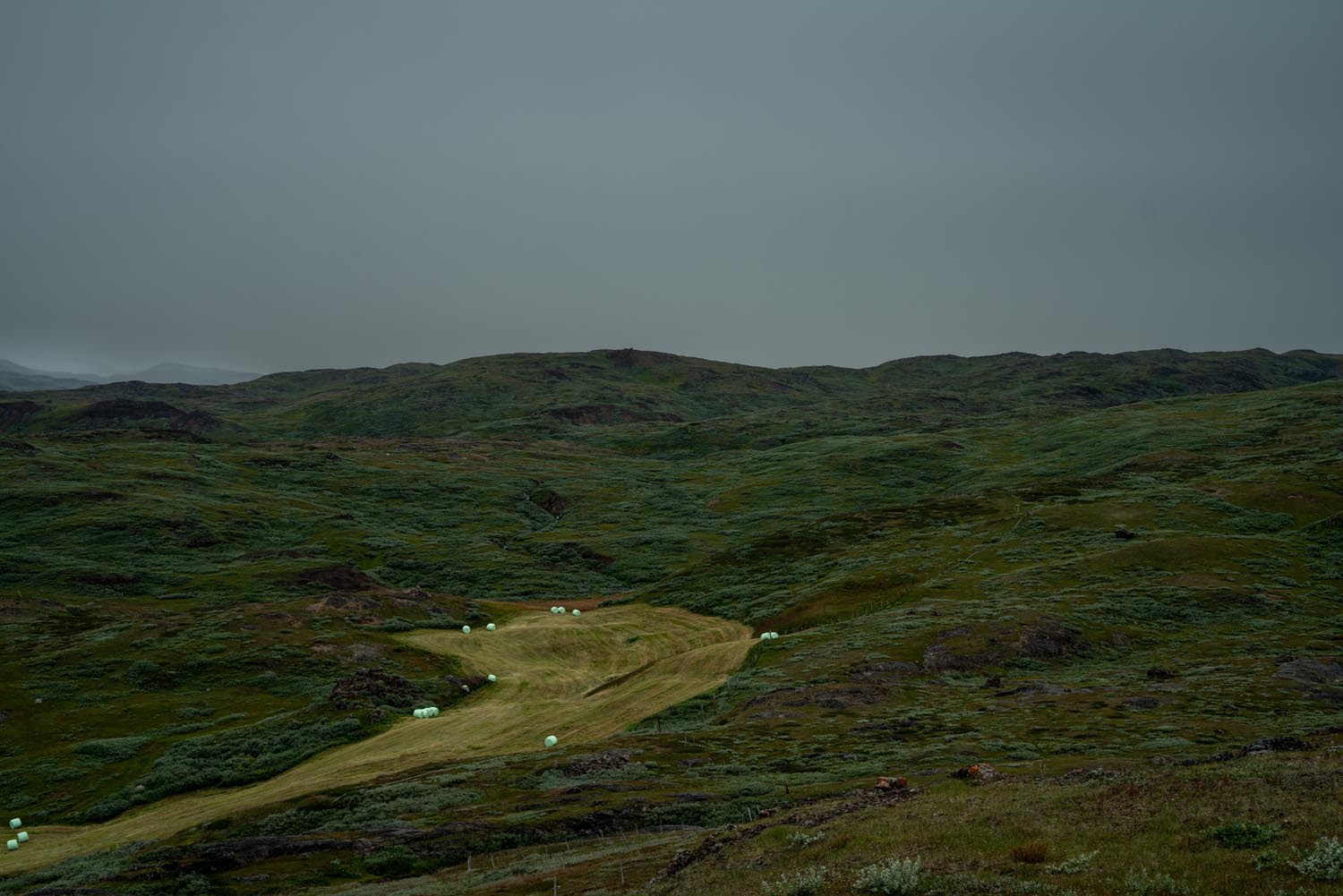
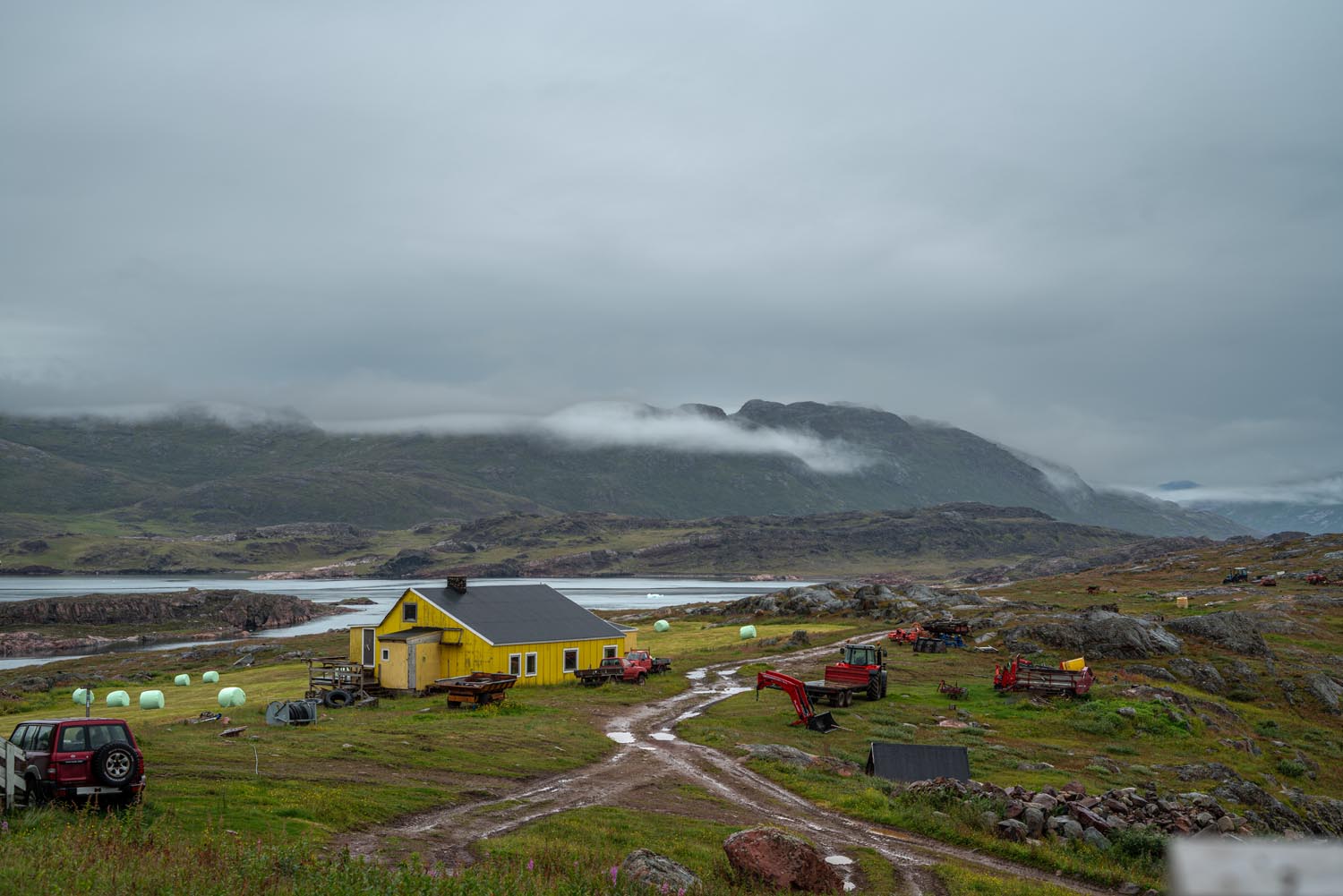
I spoke with local traditional sheep farmers (there are about a dozen farms in the whole country–all in the south) who work the valleys. They spoke with urgency about the problems they are seeing in the land, such as shifting weather patterns and drying grass that threaten the viability of their traditional livelihoods. These images of the “dirty ice” are visual evidence of a landscape in distress.
The Fragile Landing
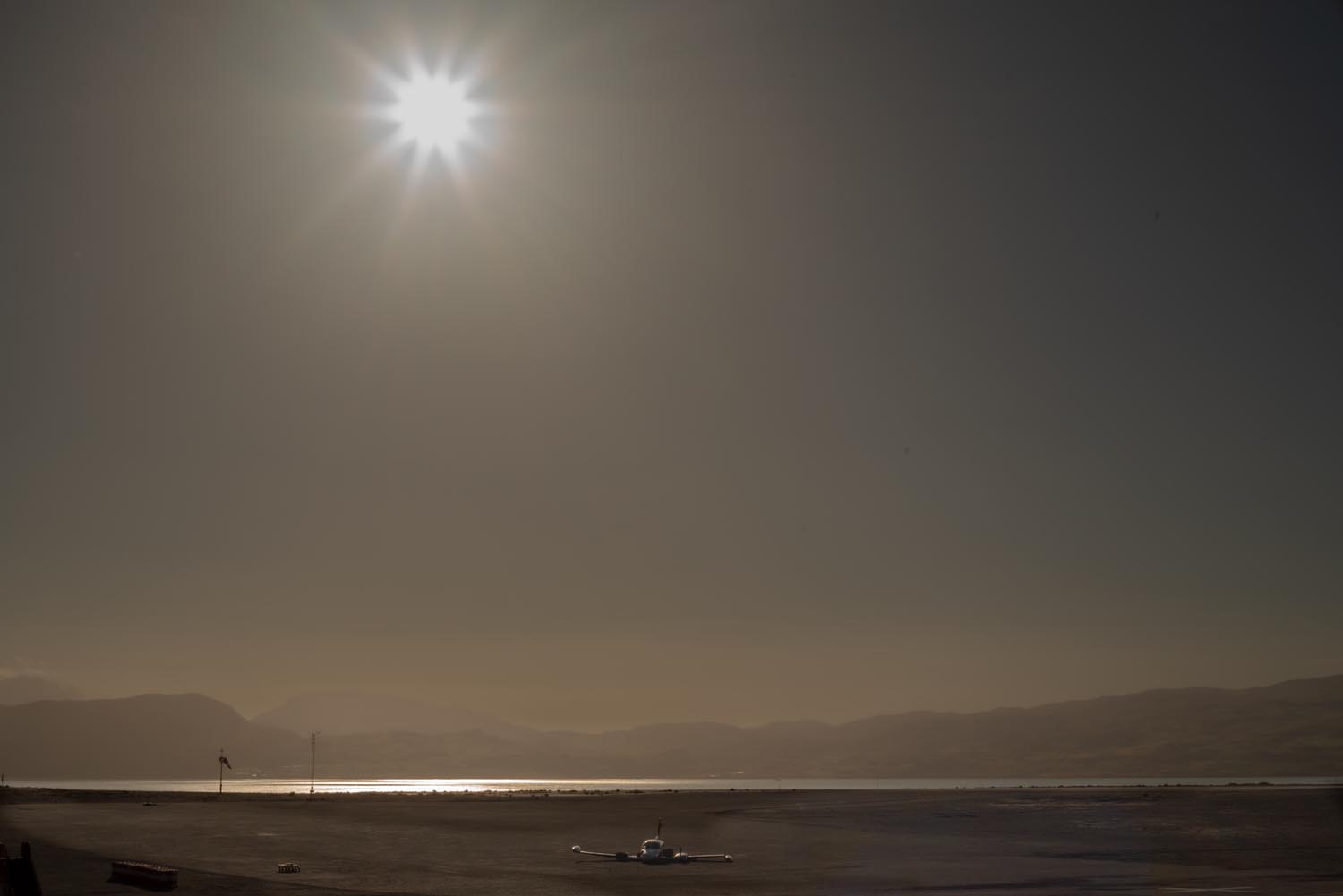
Arriving in Narsarsuaq is to understand the fragility of life here. There are no roads connecting the settlements in Greenland. Traveling between settlements and towns requires travel by boat, helicopter, or plane.
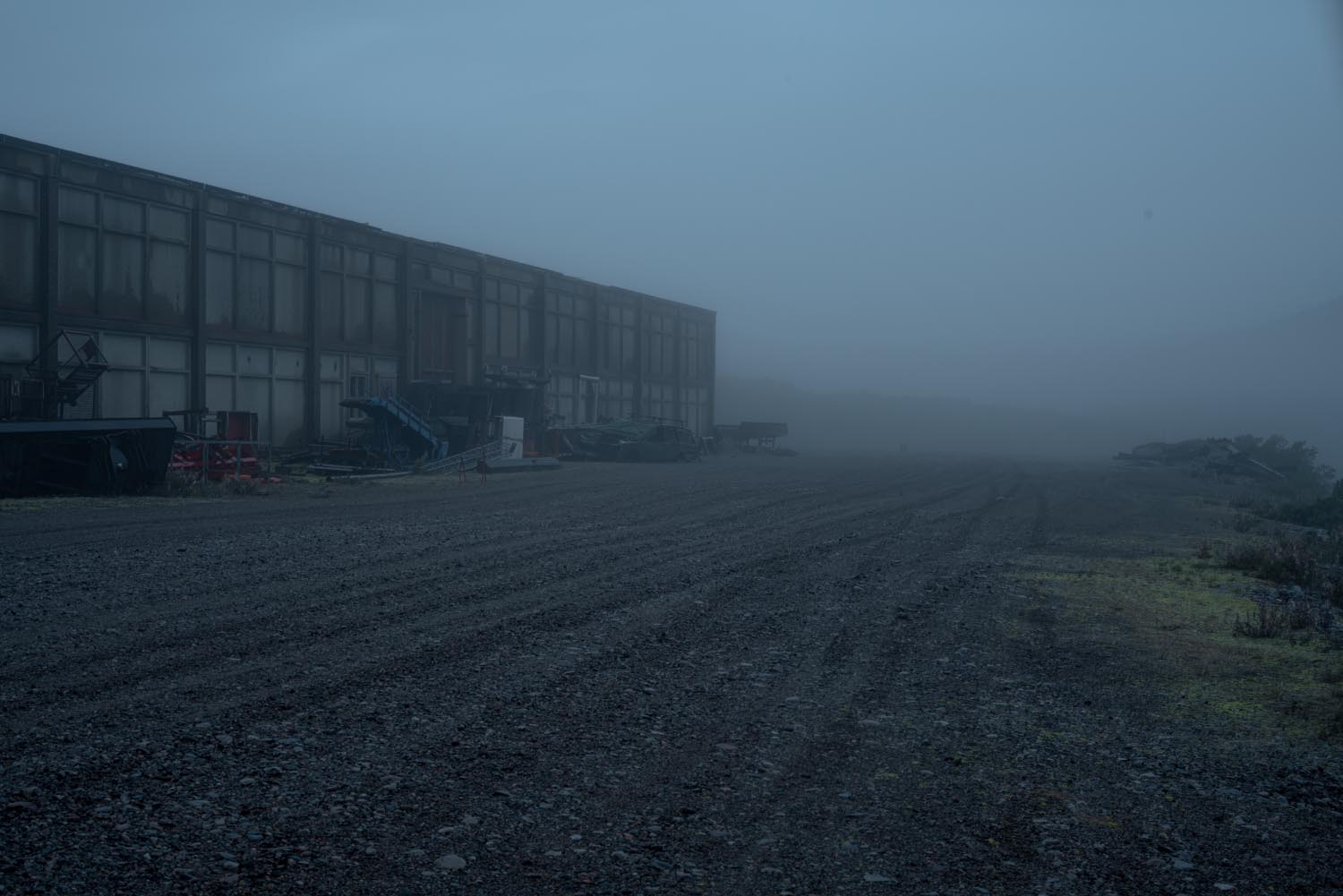
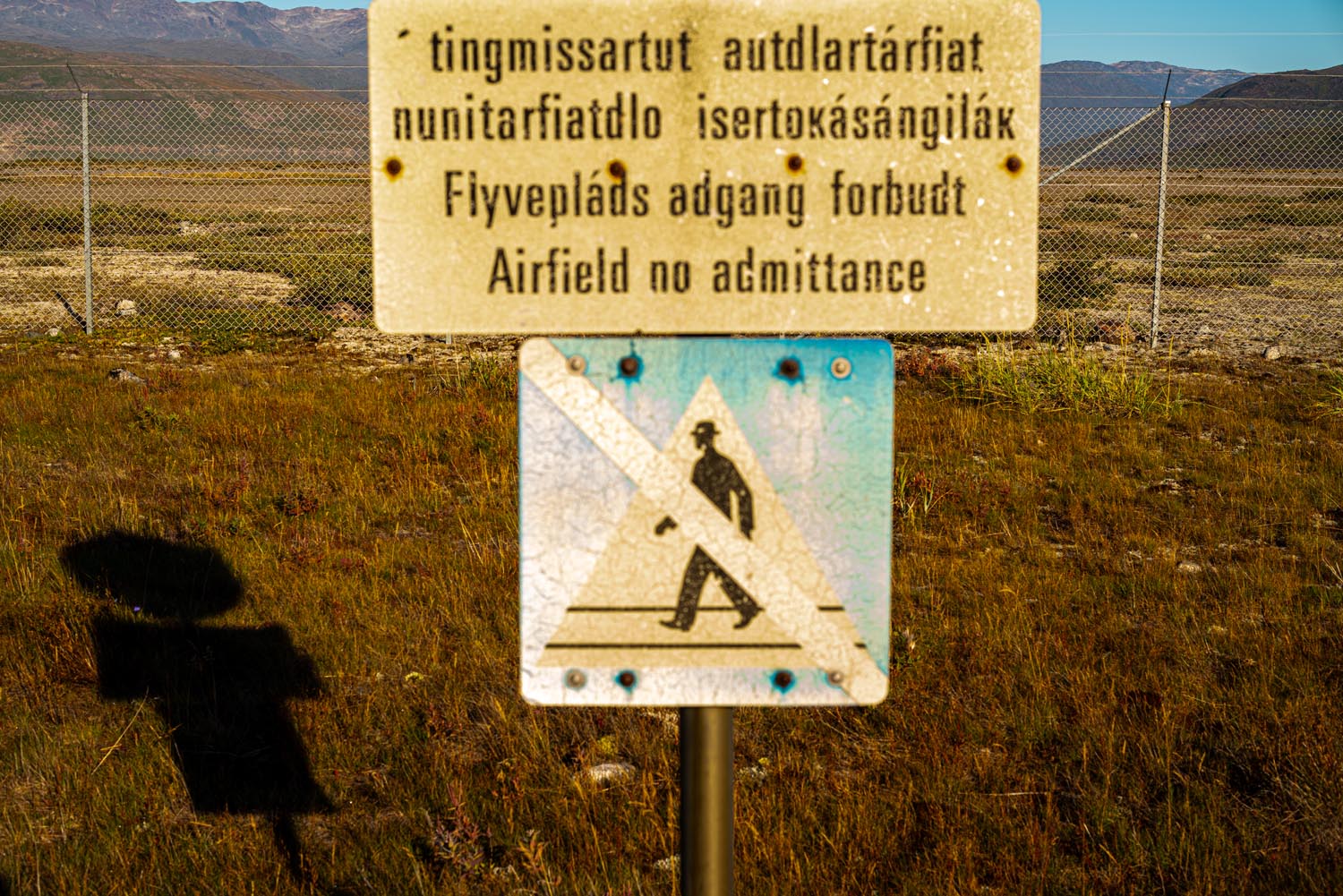
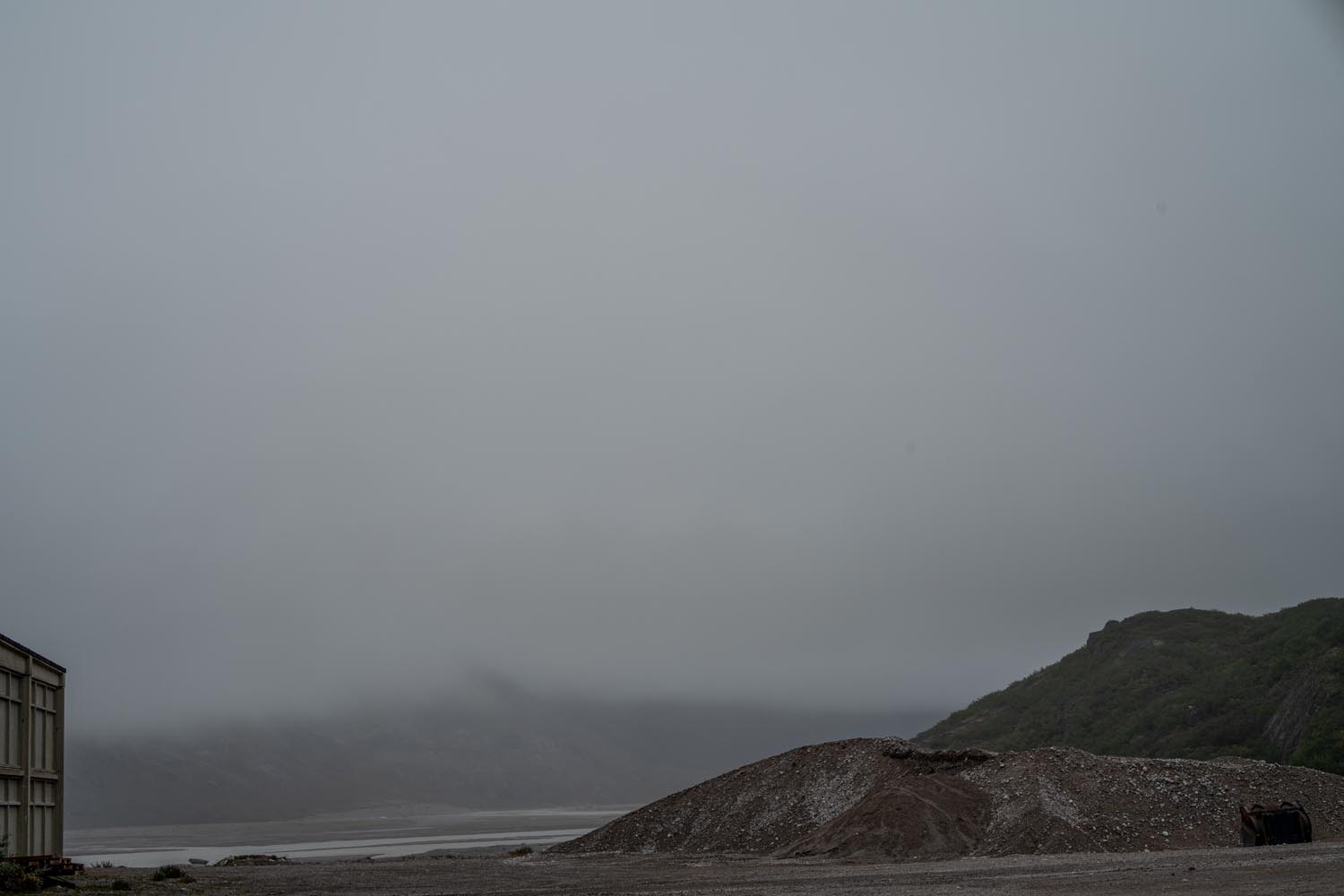
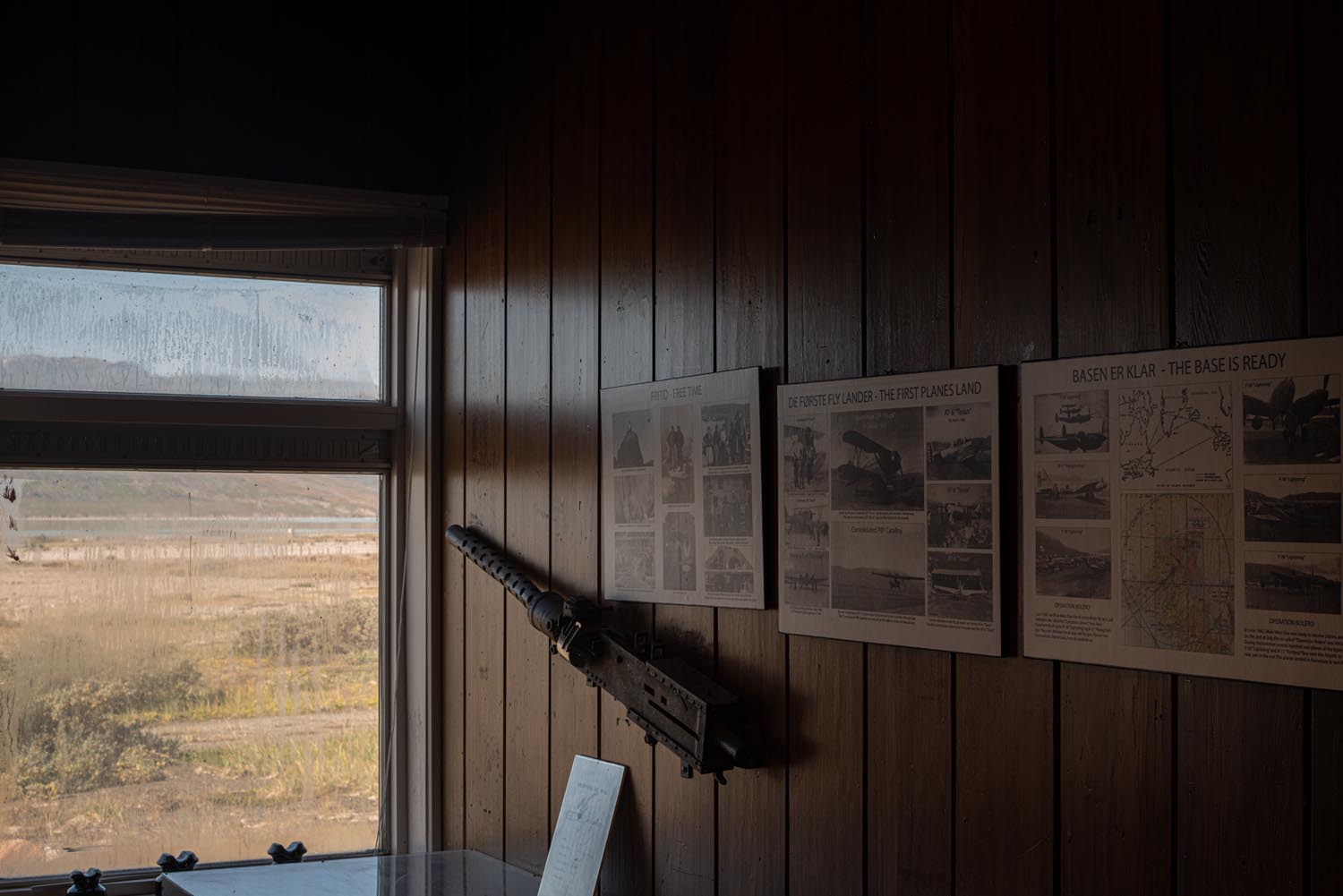
The airport itself, built as the U.S. airbase Bluie West One during WWII, sits on a moraine at the edge of the fjord. The approach is a reminder of the uncertainty of survival in the Arctic because visible on the edges of the airfield are actual wreckage of crashed planes and rusted fuselages left that serve as memento mori. Like everything in Greenland, infrastructure feels tentative. The “Airfield No Admittance” signs and the retrofitted barracks (now the Hotel Narsarsuaq) are the threads connecting this settlement to the world.
The Precipice of Change
While the headline about purchasing Greenland was dismissed by some as political theater, it has turned very real, and is a blunt articulation of a strategic truth: the world is looking North.
This land is currently untouched, but it is on the verge of being irrevocably altered. The silence of these fjords is threatened by a new era of ports, mining, and expanded military access. Photos of red navigation lights glowing in the distance are the signals of this shift; a “strategic noir” that hints at a future where this wilderness is managed, illuminated, and owned.
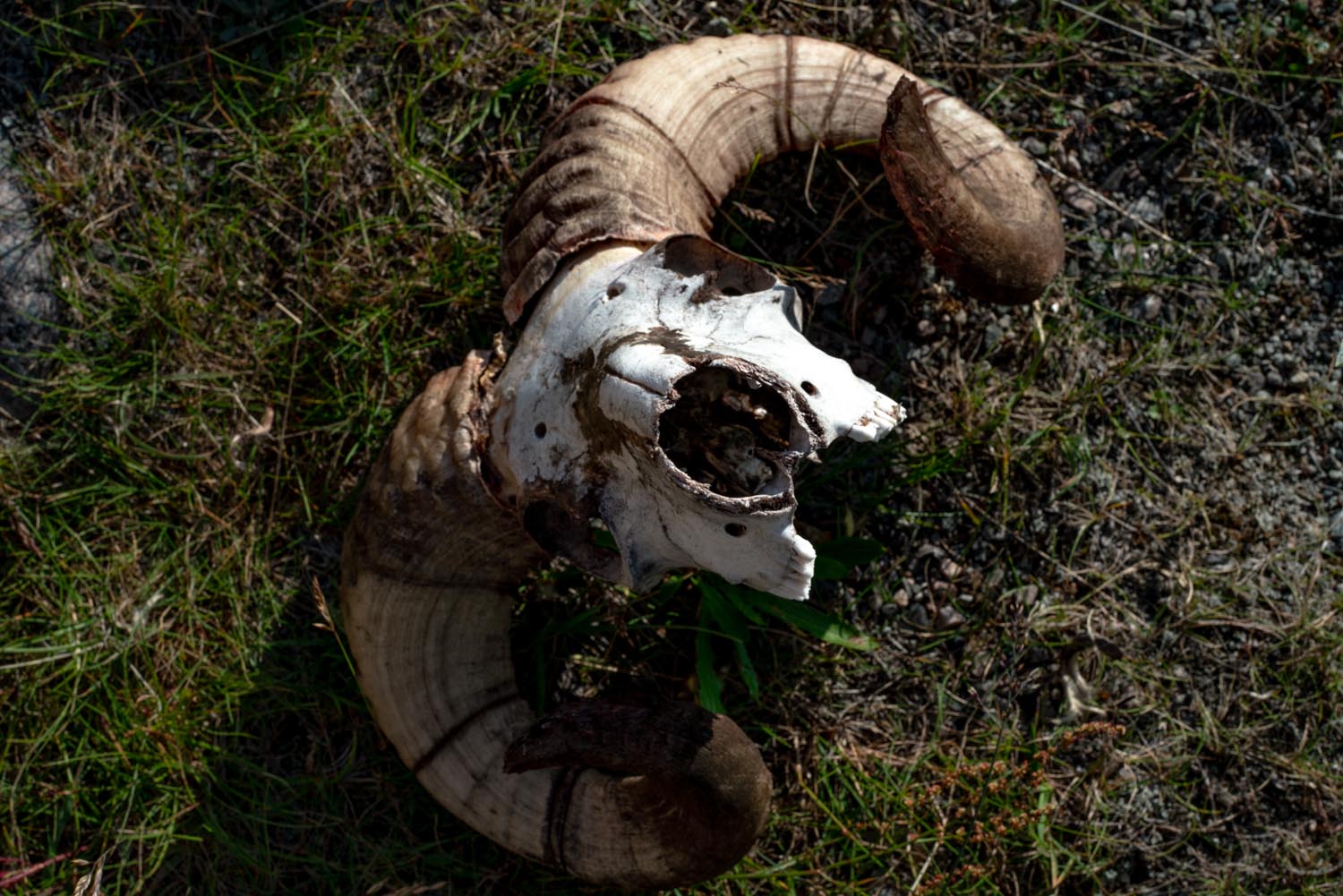
Just across the fjord lies Brattahlíð, where Leif Erikson launched voyages to the New World. The Norse lived here for a time, convinced they had tamed the land but then disappeared. Random sheep bones decomposing in the grass seems to be a warning to the current wave of strategists, where the landscape eventually reclaims everything.
The Next Archive
I applied for a Guggenheim Fellowship to extend this project to East Greenland.
My goal is to travel to the even more isolated coast to see the land and glaciers while still intact. We are living in the final moments of a specific era of Greenland; when I return, I hope to not see an utterly destroyed “After” scenario.
Bio
Steve Giovinco is a fine art photographer and researcher supported by the American-Scandinavian Foundation. His work explores the intersection of climate change and geopolitical infrastructure in the Arctic. He is currently a Guggenheim Fellowship applicant for 2026.
