Liminal spaces are empty and divorced from time. The Backrooms is a new film set in an abandoned in-between place that is both banal and disquieting. After watching The Backrooms trailer, it suddenly reminded me of similar spaces, like the strange architectural interventions of the German contemporary artist Gregor Schneider, as well as photographs I made in an abandoned paper mill at night.
The Digital Dread of ‘The Backrooms’
The Backrooms started online based on a photo of a drab, windowless office. The idea is that if you accidentally glitch out of normal reality, you end up trapped in an endless maze of damp carpets, buzzing fluorescent lights, and ugly yellow wallpaper. A24 and horror producer James Wan saw it and turned it into a feature film, directed by Kane Parsons, also the creator. It’s made millions and is a huge hit.
It perfectly captures liminal spaces (waiting rooms, empty hotel hallways, dead malls) which are usually only passing; the lack of people makes it even more unsettling. Sites like Reddit have many threads on these places, and, in a way, I’ve photographed these places, and knew it reminded me of others.
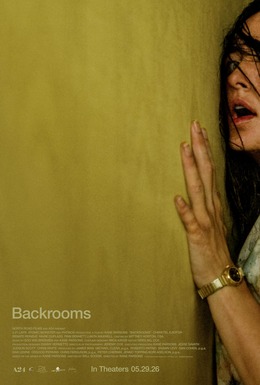
By A24
German Artist Gregor Schneider’s Haus u r and the Physical Uncanny
Beginning in the mid-1980s, Schneider started obsessively altering his childhood home in Rheydt, Germany, in a strange ongoing project known as Haus u r. For years, he built rooms within rooms, dead-end corridors, false windows with artificial daylight, and walls lined with sound-deadening lead. He created spaces that looked entirely mundane like a simple bedroom, but were physically suffocating and spatially impossible.
His work is familiar, yet alien and threatening. The Backrooms is, in some ways, Haus u r built as an ever expanding conundrum of physical impossibilities.
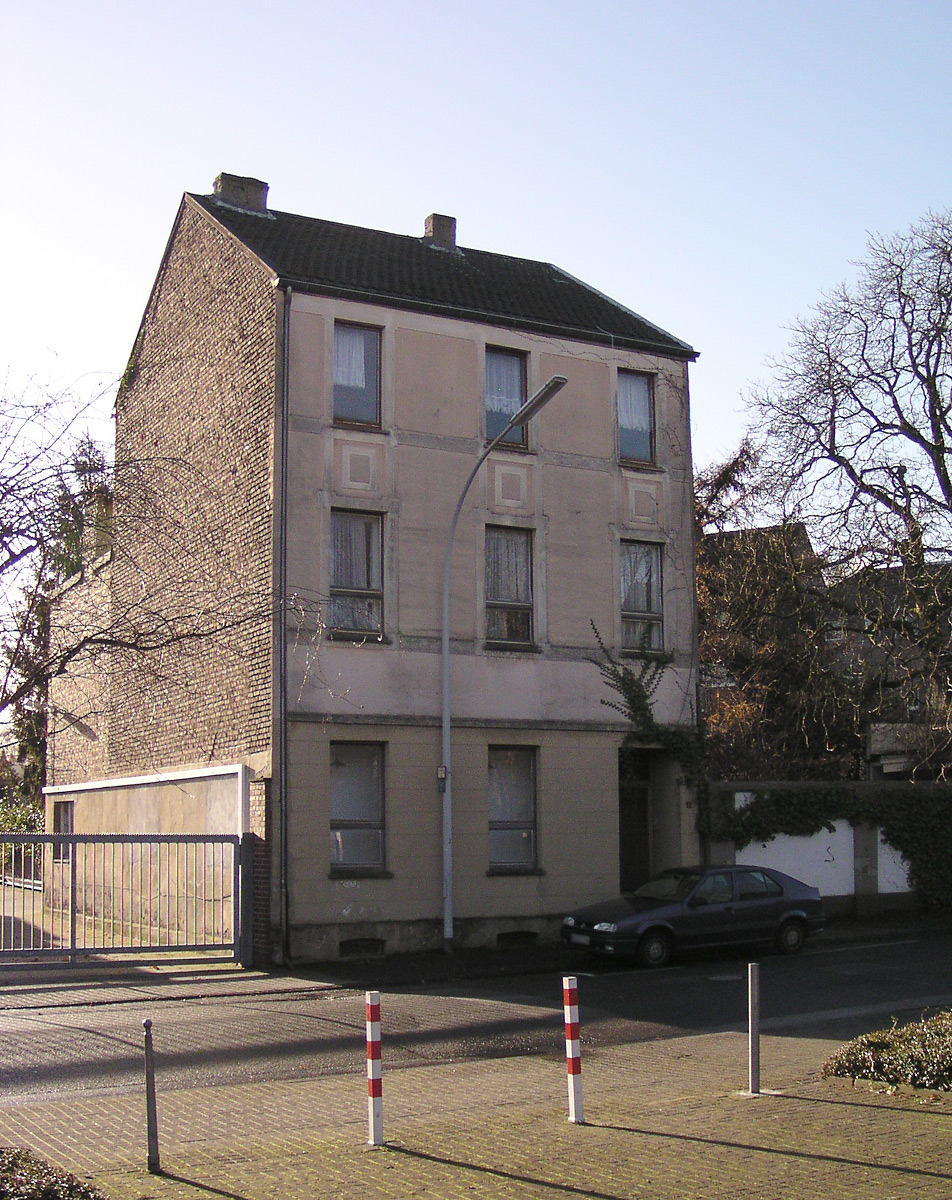
Gregor Schneiders Haus ur, Unterheydener Straße 12, Rheydt (Mönchengladbach), courtesy of
Arcturus
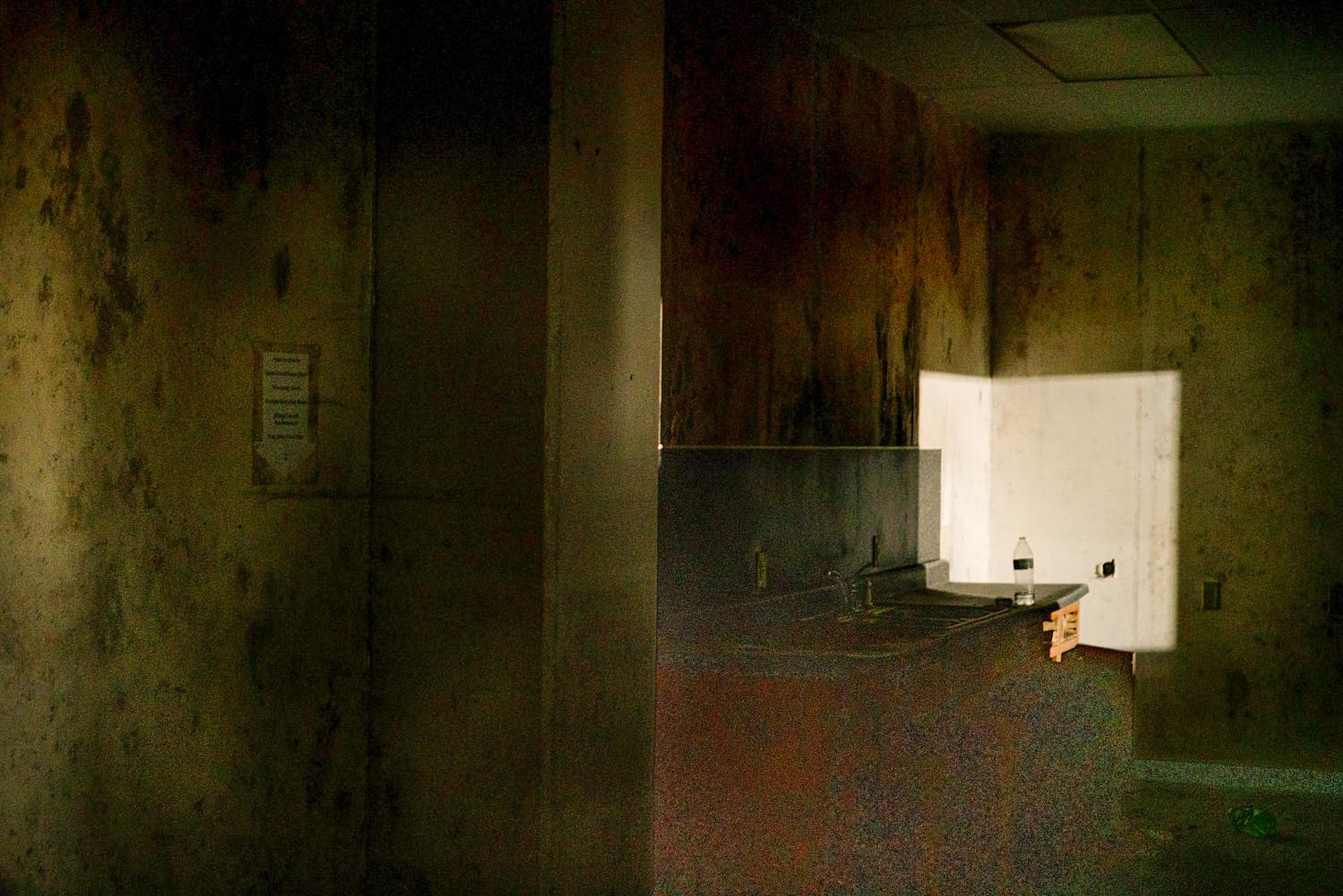
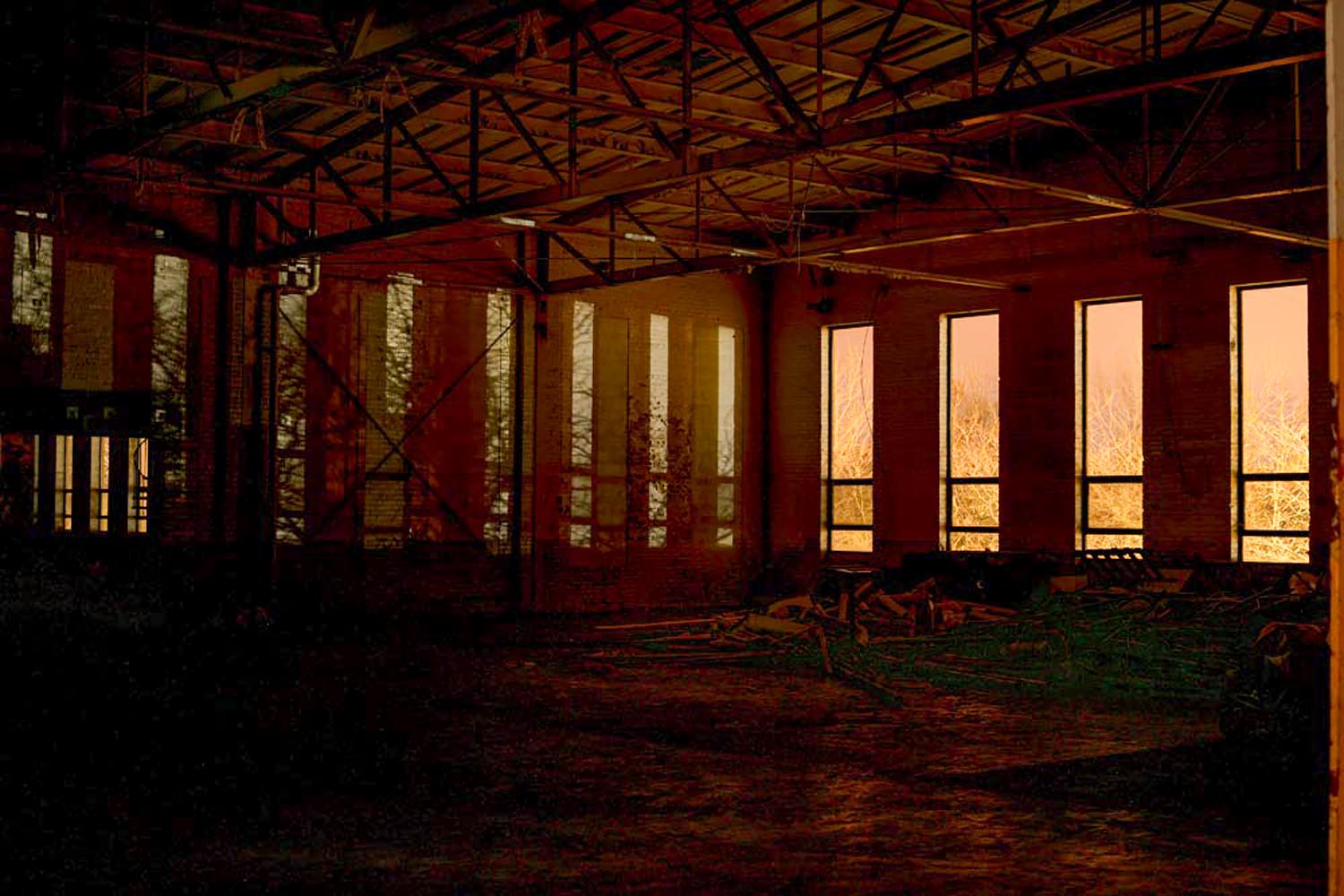
Finding Liminality Through the Lens: The Ethereal Mill
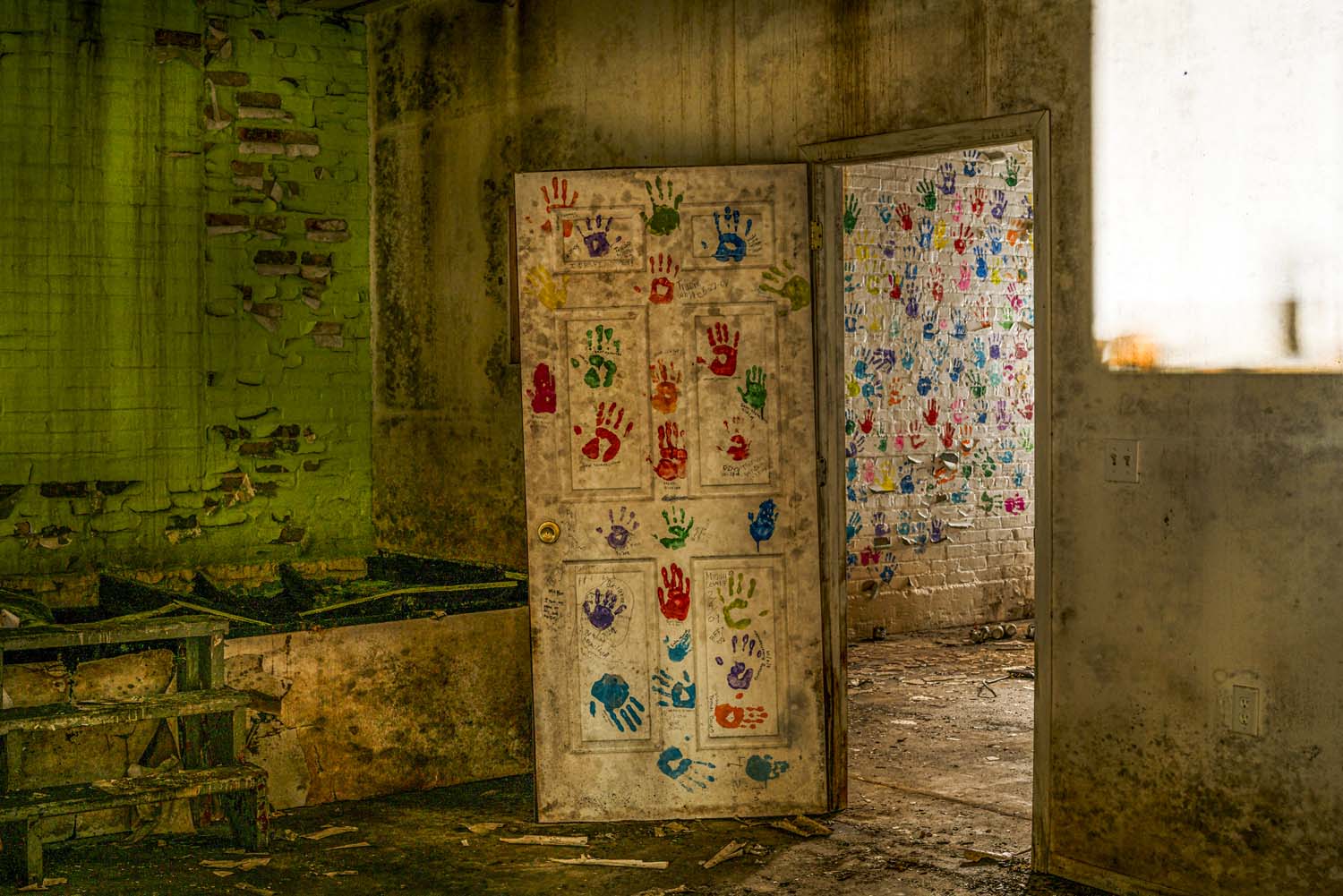
This reminded me also of previous projects. I spent time in an abandoned 19th-century textile factory where the decaying industrial space is a liminal zone. It caught between its history as a loud, booming workplace and its current state as a quiet graveyard of rusting, bizarre machines. But instead of the sterile, humming lights of The Backrooms, the mill had a heavy, suffocating silence. Most of the time, the only sound was rain leaking through the broken roof.
In these abandoned interiors, I used long-exposure photos to capture the heavy feeling of the space and a tension between presence and absence. Like Schneider’s dead-end hallways, the vast, empty rooms in the mill feel removed from practicality.Whether it’s the endless corradors leading nowhere in The Backrooms, the claustrophobic constructions in Gregor Schneider, or the decaying spaces I photographed in the mill, it’s difficult to look away from these empty spaces because they force us to confront the unsettling, quiet edges of the world we’ve built. When a room loses its original purpose—when you strip away the people and the context—what’s left behind is haunting.
Comments are closed.